Exploring the Market for Custom Hair Accessories: Insights for Retailers
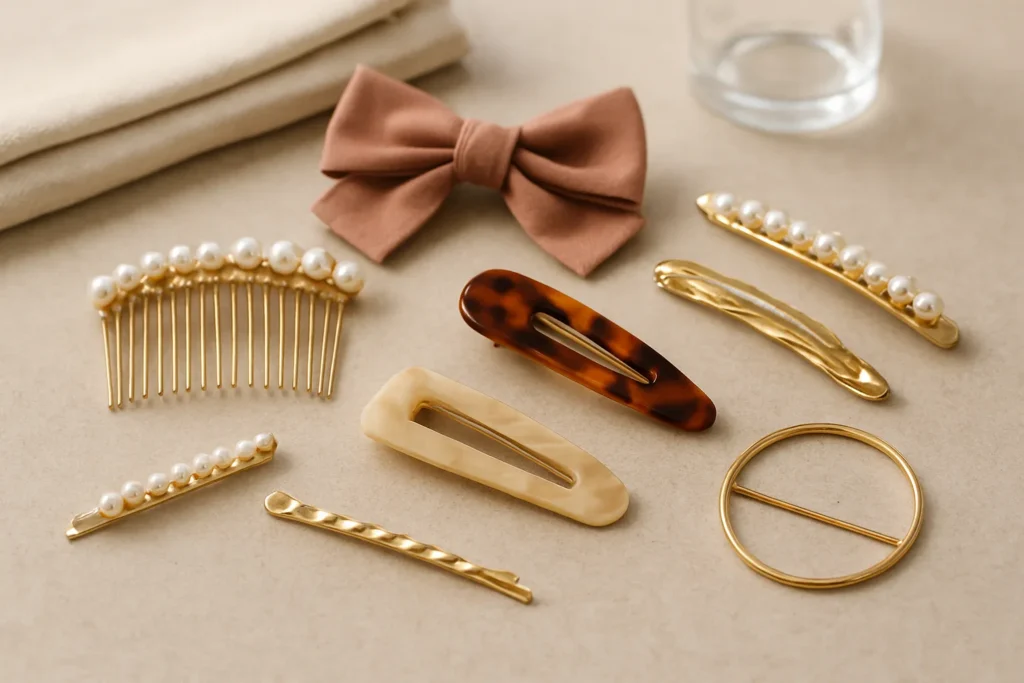
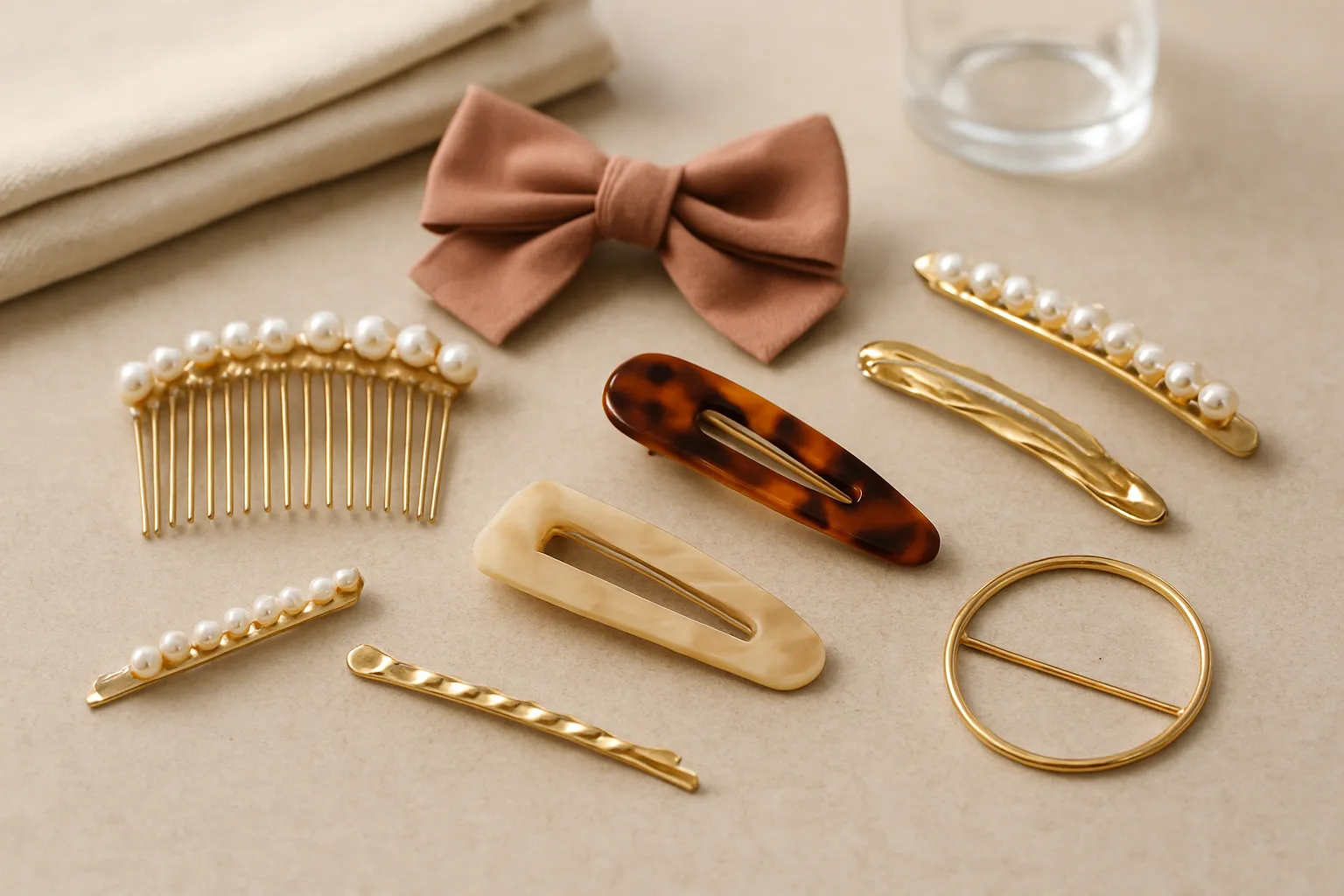
Custom hair accessories are more than just items to hold hair in place; they are a means of personal expression, allowing individuals to showcase their unique style. From hairbands and clips to scrunchies and barrettes, these products are crafted to meet specific consumer preferences. In my experience, the demand for custom hair accessories has skyrocketed as consumers increasingly seek unique, personalized items that resonate with their identities. Retailers who tap into this burgeoning market not only stand out but also fulfill a growing consumer desire for customization.
Benefits of Offering Custom Hair Accessories
One of the standout advantages of offering custom hair accessories is the opportunity to enhance brand identity. By creating distinctive products that resonate with their target audience, retailers can foster brand loyalty and recognition. From what I’ve seen, businesses that provide unique designs can carve out a niche in an otherwise crowded marketplace.
Furthermore, meeting consumer demand is a cornerstone of retail success. Today’s shoppers are on the lookout for products that not only meet their needs but also reflect their personal styles and preferences. Custom hair accessories fulfill this requirement, leading to increased customer satisfaction and repeat business. By offering a variety of customization options, retailers can attract a broader audience and significantly boost sales.
Specifications for Custom Hair Accessories
When sourcing custom hair accessories, retailers should keep several specifications in mind to ensure product quality and consumer satisfaction:
- Material Options: The materials chosen can greatly influence the aesthetics, feel, and durability of hair accessories. Retailers should consider options such as fabric, metal, plastic, and eco-friendly materials to cater to diverse consumer preferences.
- Design Customization Features: Offering a variety of design customization features, including colors, patterns, and embellishments, allows consumers to create accessories that align perfectly with their personal style.
- Size and Fit Considerations: Providing options for different sizes and fits is essential to accommodate various hair types and styles. This attention to detail can significantly enhance user experience and satisfaction.
Use Cases for Custom Hair Accessories
Custom hair accessories can be applied in various sectors:
- Fashion Retail: Boutiques and fashion retailers can leverage custom hair accessories to complement their clothing lines, offering customers a complete look.
- Event and Wedding Planning: Custom accessories are increasingly popular among brides and event planners aiming for a cohesive theme. Customized hairpieces can elevate the overall aesthetic of weddings and special events.
- Promotional Products: Businesses can use custom hair accessories as promotional items, featuring their logos or branding. This strategy not only enhances brand visibility but also provides consumers with practical and stylish items.
Sourcing Custom Hair Accessories
Finding reliable hair accessories suppliers is crucial for retailers aiming to offer custom products:
- Finding Reliable Hair Accessories Suppliers: Research potential suppliers by reviewing their portfolios, customer reviews, and production capabilities. Attending trade shows or industry events can also help retailers connect with manufacturers and evaluate their offerings.
- Evaluating Supplier Capabilities: Assess suppliers based on their ability to meet customization needs, production timelines, and quality standards. A supplier with a strong track record in custom products can be an invaluable partner.
- Cost Considerations: It’s important to understand the cost implications of sourcing custom products. While custom items may entail higher production costs, the potential for increased margins and consumer demand can offset these expenses.
Implementation Strategies for Retailers
To successfully integrate custom hair accessories into their offerings, retailers should consider several implementation strategies:
- Integrating Custom Products into Existing Lines: Retailers can introduce custom hair accessories alongside existing products, creating a seamless shopping experience for consumers.
- Marketing Custom Hair Accessories: Effective marketing is crucial for promoting custom products. Utilizing social media, influencer partnerships, and targeted advertising can help retailers reach potential customers.
- Managing Inventory and Fulfillment: Developing a robust inventory management system to track custom orders and ensure timely fulfillment is essential. Efficient logistics can enhance customer satisfaction and minimize operational challenges.
Comparison: Custom vs. Standard Hair Accessories
Understanding the differences between custom and standard hair accessories can help retailers make informed decisions:
- Price Differences: Custom hair accessories typically come with higher price points due to their personalized nature. Retailers should consider the potential for higher margins against production costs.
- Consumer Preferences: Many consumers are willing to pay a premium for unique, personalized items. Understanding your target audience’s preferences can guide pricing and product development.
- Quality Considerations: Custom products often offer superior quality and craftsmanship compared to standard accessories, appealing to consumers seeking durable and stylish options.
Frequently Asked Questions
- What are the lead times for custom orders? Lead times can vary based on the supplier and the complexity of the order. Retailers should communicate expected timelines to customers to manage their expectations.
- How to handle returns on custom products? Custom items may have different return policies compared to standard products. Retailers should establish clear guidelines and communicate them to customers.
- What are the minimum order quantities? Minimum order quantities can vary by supplier. Retailers should discuss these requirements upfront to ensure alignment with their business needs.
Conclusion
The market for custom hair accessories presents a significant opportunity for retailers looking to stand out and meet consumer demand for personalized products. By understanding the benefits, specifications, sourcing strategies, and implementation tactics, retailers can effectively navigate this growing segment. Embracing custom hair accessories not only enhances brand identity but also fosters customer loyalty and satisfaction, positioning retailers for success in a competitive landscape. For more insights on this topic, you can refer to this industry reference from AZoM.